
How Long Does IRS Currently Not Collectible Status Last?
Currently Not Collectible status can provide some breathing room when paying the IRS would leave a taxpayer unable to cover basic living expenses. Once an account is placed in CNC … Read more
Currently Not Collectible status can provide some breathing room when paying the IRS would leave a taxpayer unable to cover basic living expenses. Once an account is placed in CNC … Read more

Applying for innocent spouse relief is often deeply personal. The tax problem may be connected to a former spouse, hidden income, financial control, abuse, or financial decisions made without your … Read more
An IRS audit may be closed, but that does not always mean the result is beyond review. Perhaps the audit notices went to an old address. Maybe you sent documents, … Read more
An IRS Notice of Deficiency is often called a 90-day letter. It may arrive after an audit, a dispute involving unreported income, or a Substitute for Return prepared by the … Read more
Receiving IRS Letter 1153 means the government intends to hold you personally responsible for certain unpaid payroll taxes. That can be alarming, especially when the taxes were owed by a … Read more
Filing several years of missing tax returns can feel like finally getting a weight off your shoulders. But submitting the returns is usually not the end of the tax problem. … Read more

A Collection Due Process hearing gives taxpayers an opportunity to challenge certain IRS collection actions before the IRS Independent Office of Appeals. These hearing rights may be provided through notices … Read more
The deadline to request an IRS Collection Due Process hearing can pass quickly. Final levy notices such as CP90, CP297, LT11, and Letter 1058 generally provide 30 days to submit … Read more
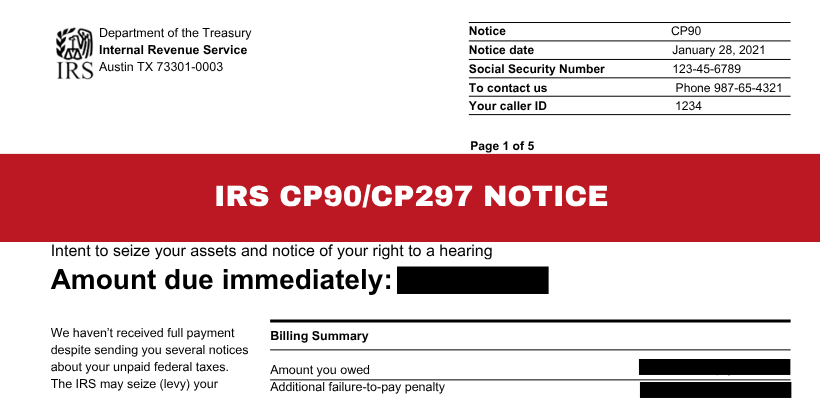
Opening a letter marked “Final Notice” can make it feel as though an IRS levy is about to happen immediately. IRS Notices CP90 and CP297 are serious collection notices, but … Read more

When one person owes the IRS but an asset belongs to more than one person, the situation can get uncomfortable quickly. A spouse may wonder what happens to the family … Read more
Receiving an IRS notice that mentions an “intent to levy” can be alarming. Many taxpayers read those words and assume the IRS has already taken their bank account, paycheck, Social … Read more

Opening an IRS letter with the words “Intent to Levy” can make it feel like your bank account is already being drained. Many taxpayers panic because they assume the notice … Read more

When someone owes back taxes, jointly owned property can quickly become a source of confusion. Many people assume that shared ownership automatically protects an asset, while others believe the IRS … Read more

If your spouse or partner owes back taxes to the IRS, you may be worried about what could happen to your own money, home, or jointly owned property. This concern … Read more
Receiving an IRS notice that mentions a levy can be alarming. Many taxpayers immediately worry that their bank account will be frozen or their wages will be garnished. Fortunately, the … Read more

When a family member passes away, dealing with probate court and asset distribution is stressful enough on its own. However, many grieving families are blindsided by the sudden appearance of … Read more
Caring for an aging parent or an incapacitated relative is emotionally exhausting, especially when family dynamics are complicated. In many families, one sibling or relative takes the lead on managing … Read more
Taking on the legal responsibility of managing an individual’s financial affairs is a daunting task. Whether you are stepping in to help an aging parent whose health is declining, acting … Read more

When you are appointed as an executor of an estate or a trustee of a family trust, it is easy to view the role purely as an honor. You have … Read more
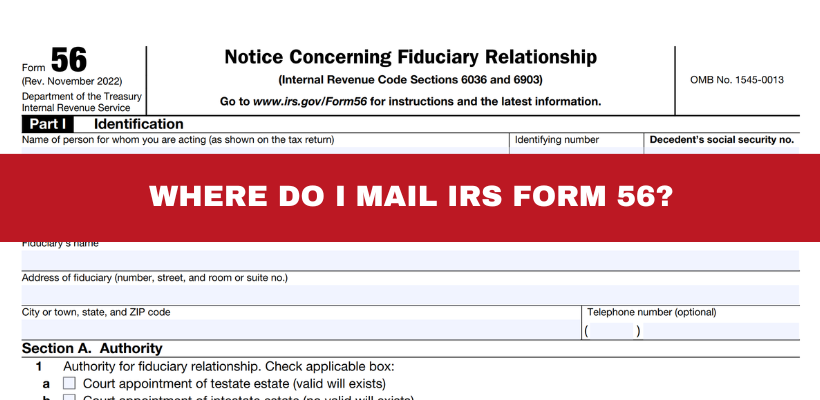
Stepping into the role of a fiduciary is a major milestone. Whether a court has just appointed you as the guardian of an incapacitated relative or you are beginning the … Read more
Law Office of Steven N. Klitzner, P.A.
2627 N.E. Ives Dairy Road, Suite 213
Miami, FL 33180
Email: help@floridataxsolvers.com
Phone: 305-564-9199
Fax: 305-932-0605







Ⓒ 2024 Steven N. Klitzner. All rights reserved. | Privacy Policy | Terms of Service | Website by Vocational Media