IRS Intent to Levy Timeline: How Long Do You Have?
Receiving an IRS notice that mentions a levy can be alarming. Many taxpayers immediately worry that their bank account will be frozen or their wages will be garnished. Fortunately, the … Read more
When a family member passes away, dealing with probate court and asset distribution is stressful enough on its own. However, many grieving families are blindsided by the sudden appearance of … Read more
Caring for an aging parent or an incapacitated relative is emotionally exhausting, especially when family dynamics are complicated. In many families, one sibling or relative takes the lead on managing … Read more
Taking on the legal responsibility of managing an individual’s financial affairs is a daunting task. Whether you are stepping in to help an aging parent whose health is declining, acting … Read more
When you are appointed as an executor of an estate or a trustee of a family trust, it is easy to view the role purely as an honor. You have … Read more
Stepping into the role of a fiduciary is a major milestone. Whether a court has just appointed you as the guardian of an incapacitated relative or you are beginning the … Read more
If the IRS contacts you about Form 4180, it usually means they are investigating unpaid payroll taxes and determining whether to hold someone personally responsible. This is not a routine … Read more
In some cases, the IRS can release a levy within a few days. In others, it may take longer depending on your situation. There is no fixed timeline. How quickly … Read more
Stopping an IRS bank levy starts with one thing: acting quickly. Once the levy hits your account, your funds are no longer fully under your control. But you still have … Read more
Yes, in most cases, you need to file all missing tax returns before the IRS will fully stop or release a levy. When the IRS issues a levy, your case … Read more
Yes, the IRS can freeze your business bank account through a bank levy. When this happens, the IRS sends a notice to your bank requiring them to hold the funds … Read more
When the IRS files a Substitute for Return (SFR) on your behalf, it is rarely in your favor. In most cases, it leads to a higher tax bill than what … Read more
Yes. In most cases, you need to file all missing tax returns before the IRS will negotiate with you. The IRS requires taxpayers to be in filing compliance before it … Read more
No, filing your tax return late does not automatically mean you lose your refund. However, you could lose it if you wait too long or never file your return at … Read more
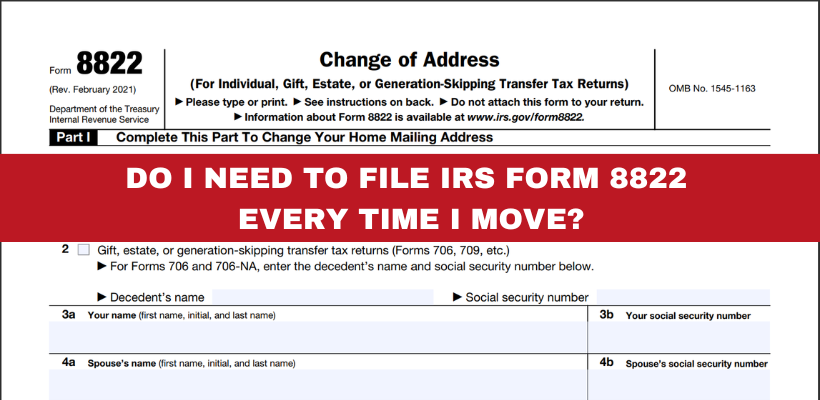
If you recently moved, updating your address with the IRS is an important step to avoid missing notices, refund updates, or other time-sensitive correspondence. A common question many taxpayers have … Read more
You do not necessarily have to file IRS Form 8822 every time you move. That said, it is often the safest and most reliable way to make sure the IRS … Read more
Yes, you can still request a payment plan with the IRS if you owe more than $50,000, but the process is usually more involved. Taxpayers who want to set up … Read more
IRS Form 941 must be filed four times each year by employers who pay wages subject to payroll taxes. Because it reports payroll tax withholding and employment taxes, the IRS … Read more
Employers who pay wages subject to payroll taxes are typically required to file IRS Form 941, Employer’s Quarterly Federal Tax Return. Because the form is filed four times per year, … Read more
Many business owners become confused about IRS Form 941 requirements when their business has no employees. This situation is common for sole proprietors, single-member LLCs, or businesses that previously had … Read more
Ⓒ 2024 Steven N. Klitzner. All rights reserved. | Privacy Policy | Terms of Service | Website by Vocational Media